Watercolor Vector Brush Review for Real Embroidery
I have spent years reviewing embroidery files, testing them on everything from delicate silk to heavy canvas. When I first opened the Watercolor Vector Brush, I wasn't looking at a standard geometric pattern or a rigid floral motif. Instead, I saw a fluid, abstract composition that immediately sparked ideas for a custom project I had been struggling to finalize: a boutique line of aprons and kitchen towels.
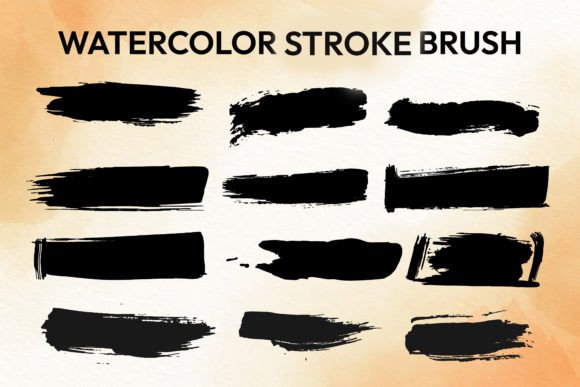
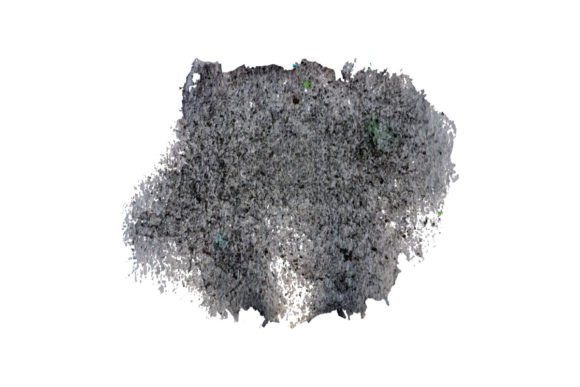
The file description promises a vector watercolor drawing of a black and grey abstract background. As an experienced designer, my first thought was not about the file formats—AI, EPS, PNG, SVG—but about how this would translate into thread. Abstract art is notoriously difficult in machine embroidery because it relies heavily on subtle color gradients and soft edges that machines struggle to replicate with solid stitches. However, seeing the preview JPEG, I realized that the Watercolor Vector Brush might be exactly what a handmade shop needs to elevate its visual appeal without requiring thousands of stitches.
From Digital Screen to Stitched Reality
Imagine you are preparing a batch of personalized gifts for a holiday market. You want something modern, artistic, and sophisticated that stands out against the typical red and green holiday motifs flooding Etsy and craft fairs. You decide to use the Watercolor Vector Brush on a set of high-quality linen tea towels. The mood this design creates is calm, professional, and slightly upscale. It feels less like a "craft" item and more like a piece of art intended for a serious home cook.
In real-life scenarios, this design shines when applied to larger surface areas where the texture of the fabric can complement the brushstroke aesthetic. On a tote bag or a sweatshirt, the black and grey palette offers incredible versatility. It works seamlessly with neutral clothing lines, allowing the embroidery to add depth without clashing with the garment's base color. For a small business owner selling merchandise, this graphic serves as a perfect branding element. It adds a layer of sophistication that suggests attention to detail, which directly influences customer trust and perceived product value.
However, the transition from a digital vector to a stitched reality requires careful planning. The Watercolor Vector Brush is a graphic asset that mimics the look of paint. In embroidery, we achieve this look through specific stitch techniques. If the design utilizes a mix of satin stitches for the bold outlines and fill stitches for the textured areas, it will capture the essence of the original watercolor. But if the stitch density is too high, the fabric will pucker, ruining the fluid feel. Conversely, if the density is too low, the "brushstrokes" may look sparse and unfinished.
Where This Design Fits Best
I have tested similar abstract assets on various products, and the Watercolor Vector Brush performs best on stable, flat surfaces. Here is where I recommend focusing your efforts:
- Custom Apparel and Sweatshirts: The back yoke or chest area of a heavyweight cotton sweatshirt provides the perfect tension for this abstract style. The thickness of the fabric supports the stitch structure, preventing the design from collapsing.
- Kitchen Linens: Aprons and tea towels are ideal candidates. The black and grey tones contrast beautifully against white or cream fabrics, making the design pop while maintaining a clean, modern aesthetic.
- Boutique Branding: For sellers creating a cohesive brand identity, this design works well as a logo placement on hats or bags. It signals a creative, artisanal vibe that appeals to buyers looking for unique, handmade goods.
- Holiday Gifts: Unlike traditional seasonal patterns, this abstract piece offers a timeless gift option. It fits perfectly into a "modern home" theme, suitable for housewarming parties or wedding showers.
When used correctly, the Watercolor Vector Brush enhances the finished product by adding a sense of movement and organic flow that straight lines simply cannot provide. It transforms a simple commodity into a curated item.
Areas That Require Caution
While the potential is high, there are specific situations where this design should be approached with extreme caution. My experience has taught me that abstract designs often hide their true complexity until they are hooped and stitched. If you attempt to use the Watercolor Vector Brush on a curved surface like a baseball cap, the distortion caused by the curvature can break the illusion of the watercolor effect. The brushstrokes may appear jagged or misaligned, which can detract from the professional look you are aiming for.
Small hoop sizes present another challenge. If you try to downscale this design for a baby onesie or a tiny embroidered patch, the fine details of the vector brushwork may become indistinguishable. Thread colors that work beautifully on a large scale can blend together on a small one, turning distinct strokes into a muddy blob. Furthermore, on stretchy fabrics like jersey knits, the tension required to hold these abstract shapes can cause the fabric to ripple, leading to a distorted final image.
Dense stitch areas within the design also need scrutiny. If the original vector contains tight clusters of lines, converting these to embroidery stitches can result in excessive bulk. This is particularly problematic on thin fabrics or when using thick threads. The resulting stiffness can make the garment uncomfortable to wear or handle. Additionally, if you plan to sell these items commercially, you must ensure the design does not require frequent washing that could degrade the stitch definition over time.
Practical Designer Notes for Success
Before you commit this design to a production run, there are several steps I always take to ensure quality. First and foremost, test the Watercolor Vector Brush on scrap fabric. Do not assume that because it looks good on screen, it will stitch perfectly. Check the thread color contrast carefully; black and grey threads on dark fabric can sometimes disappear, while on light fabric, they might look too harsh depending on the shade.
Review the stitch density settings in your digitizing software. Adjusting the density can make or break the watercolor effect. You may need to reduce the density in certain areas to allow the fabric texture to show through, mimicking the transparency of watercolor paint. Confirm your hoop size matches the design dimensions to avoid unnecessary trimming or re-hooping. Inspect small details closely; if the design includes tiny corners or sharp points, consider simplifying them to prevent thread breaks.
It is also wise to test the design in black and white mockups before committing to a full-color thread run. This helps visualize how the different shades of grey will interact under different lighting conditions. Compare the results on both light and dark fabric backgrounds to see which offers the best visual impact. Always use proper stabilizer to support the weight of the stitches, especially for larger applications like pillow covers or blankets.
Finally, verify whether the file license allows for commercial use. Many designers purchase digital assets for personal projects but inadvertently violate terms when selling finished products like tote bags or patches. Ensure you have the rights to sell items made with the Watercolor Vector Brush. By following these practical steps, you can leverage the unique artistic qualities of this graphic to create high-end, desirable embroidery projects that stand out in a crowded marketplace.