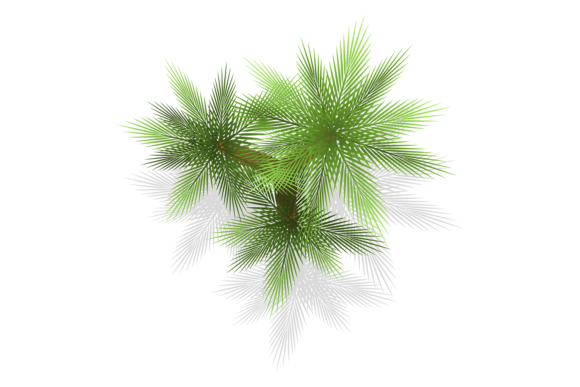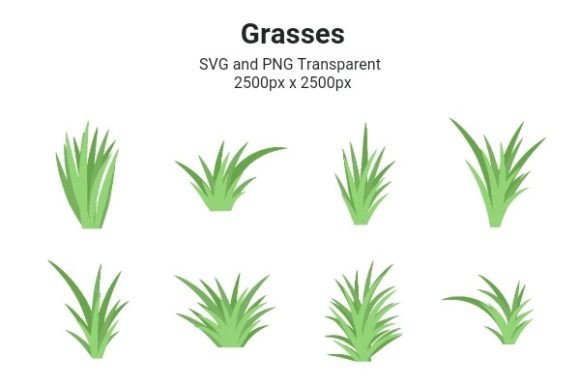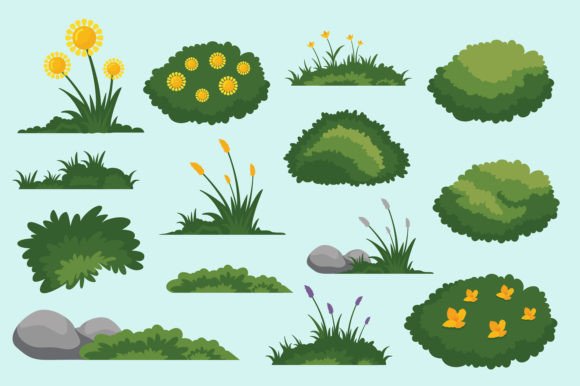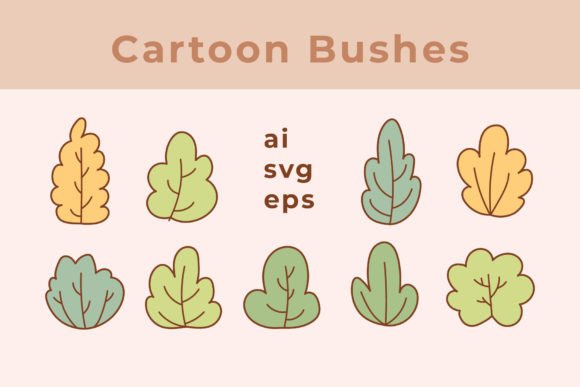
Cartoon Top View Trees, Plants, Bushes Review
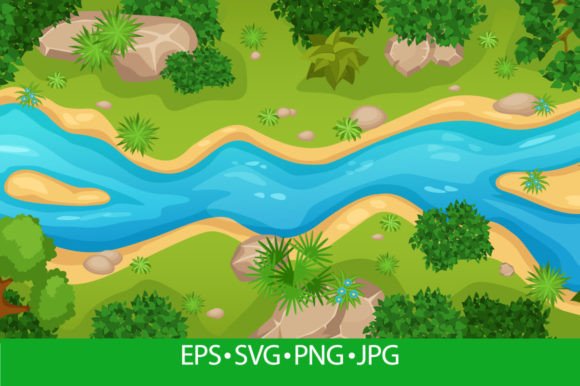
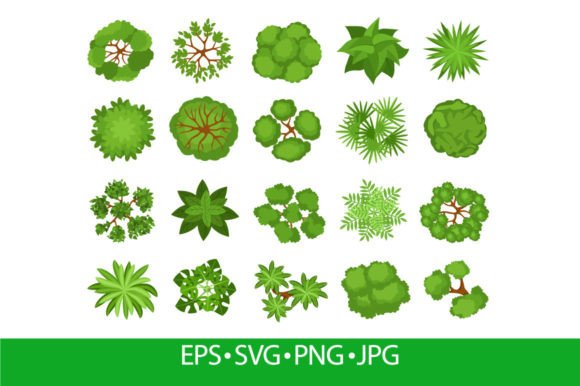
When I first opened the file for Cartoon Top View Trees, Plants, Bushes, I didn't just see a collection of illustrations; I saw a potential bestseller for my next Etsy shop launch. As an experienced designer who has stitched thousands of designs on everything from stretchy jersey to stiff denim, my first instinct is always to ask: does this translate well from a digital vector into a tactile, stitched reality? This set promises a landscape plan aesthetic with a cartoon twist, and that specific combination of "cartoon" and "top view" creates a very distinct mood. It feels playful yet organized, perfect for projects that need to look professional but approachable.
The visual personality of these graphics is immediately friendly. The top-down perspective simplifies complex organic shapes into clean, geometric forms. For an embroidery machine, this is often a blessing in disguise because it reduces the risk of distortion on curved surfaces like caps or bags. However, the "cartoon" element means we have to be careful with stitch density. If the fill stitches are too heavy, those cute little bushes will lose their charm and become muddy blobs. If they are too light, the design might look patchy on textured fabrics. My initial assessment is that this design leans heavily toward the whimsical side of the market, making it ideal for nursery decor, children's apparel, or boutique branding where a soft, handcrafted feel is required.
From Digital Vector to Finished Product
Imagine you are preparing a custom embroidered tote bag for a local farmer's market or a craft fair. You want something that screams "nature lover" without looking like a generic floral print. This embroidery design fits that niche perfectly. The arrangement of trees, shrubs, and plants can be laid out to mimic a garden map, which adds a layer of storytelling to the finished product. Customers don't just buy a bag; they buy a piece of art that suggests a connection to the earth.
I tested the concept mentally on a few different items. On a canvas tote bag, the flat, top-view style would sit beautifully against the natural weave of the fabric. The contrast between the smooth satin stitches outlining the leaves and the slightly textured fill stitches of the tree crowns would create depth. Similarly, for a baby onesie or a soft sweatshirt, the rounded shapes of the bushes avoid the sharp edges that sometimes irritate sensitive skin. It transforms a simple garment into a personalized gift that feels thoughtful and curated.
However, there are limitations to consider when moving from a screen to a hoop. These graphics are labeled as Graphics and Illustrations, which usually implies they are vector-based (EPS, SVG). While this is excellent for resizing, the conversion process matters immensely. A direct import of a vector path into an embroidery file often results in jagged curves if not smoothed properly. You must ensure that the digitizer has converted the straight lines of the vector into appropriate stitch paths. If the original design relies on tiny details to define the shape of a bush, those details might disappear entirely on a small hoop size. Always check the stitch count and density before committing to a full production run.
Where This Design Shines and Where to Pause
This embroidery file is not a one-size-fits-all solution. It excels in specific scenarios but requires caution in others. For commercial embroidery projects involving branded merchandise, such as aprons for a coffee shop or patches for a hiking club, the top-view theme offers a unique alternative to traditional 3D-style logos. It allows for a cohesive brand identity that feels modern and graphic.
But let's talk about where things can go wrong. If you attempt to stitch this on a dark fabric without a high-quality underlay, the colors might bleed through, ruining the crispness of the cartoon style. Dark fabrics require a solid white or light-colored underlay to make the thread colors pop. Furthermore, thin or stretchy fabrics are risky territory. Without proper stabilizer, the tension required to hold the fill stitches could cause the fabric to pucker, distorting the circular shapes of the trees into ovals or diamonds. Always test on scrap fabric first to gauge the stability requirements.
Curved surfaces like caps present another challenge. While the top-down view is generally forgiving, stitching dense fill areas on the crown of a cap can lead to bird nesting or thread breaks if the machine isn't calibrated correctly. The design works best on flat surfaces like pillow covers, tea towels, or the front panel of a sweatshirt. If you try to fit the entire set of trees and plants onto a small patch, you may find that the individual elements become too crowded, losing their individual character. In those cases, selecting a single bush or a simplified cluster might yield a better result than trying to cram the whole landscape in.
Practical Notes for the Craft Business Owner
If you are an Etsy seller or a creative entrepreneur looking to add design assets to your inventory, understanding the licensing terms is non-negotiable. Just because the product description mentions EPS, SVG, and PNG files doesn't automatically grant you the right to sell physical items made from them. You must confirm whether the license covers commercial use for finished goods. Selling a batch of embroidered pillows featuring this design without the proper rights can lead to serious legal trouble down the line.
Before you start mass-producing, I strongly recommend creating printable mockups to visualize the final product. Print the design in black and white on paper and cut it out to see how the shapes interact. Then, test the actual machine embroidery design on a variety of thread colors. Green is obvious, but what happens if you stitch these bushes in navy blue or burgundy? The mood shifts dramatically, and you might discover new color combinations that appeal to different customer demographics. Don't limit yourself to green threads; a monochromatic look can be incredibly sophisticated.
Stitch density is another critical factor. High-density fill stitches can make a design stiff and uncomfortable, especially on baby clothes. If the original digitization uses too many stitches per square inch, the fabric will feel like cardboard. Conversely, low density might look cheap. Inspect the small details closely. Are the stems thick enough to hold up during washing? Will the design survive multiple cycles in the dryer? These are the questions that separate a hobbyist project from a professional product.
Finally, consider the presentation. When you photograph your finished product, the top-down nature of the design lends itself well to flat-lay photography. You can arrange the embroidered item alongside real dried flowers or soil to enhance the thematic connection. This attention to detail builds customer trust and elevates the perceived value of your handmade products. Buyers are willing to pay more for items that show care in both the creation and the presentation.
In conclusion, Cartoon Top View Trees, Plants, Bushes is a versatile tool in the arsenal of any embroiderer. It brings a fresh, graphic perspective to traditional nature themes. Whether you are creating personalized gifts for family or building a robust catalog for your online store, this design offers a strong foundation. Just remember to respect the technical limitations of the medium, test rigorously, and always prioritize the quality of the finish over the speed of production. With the right approach, this set can transform simple fabric into a memorable, stitched memory.